

Understanding Thermocouple Protection Tubes
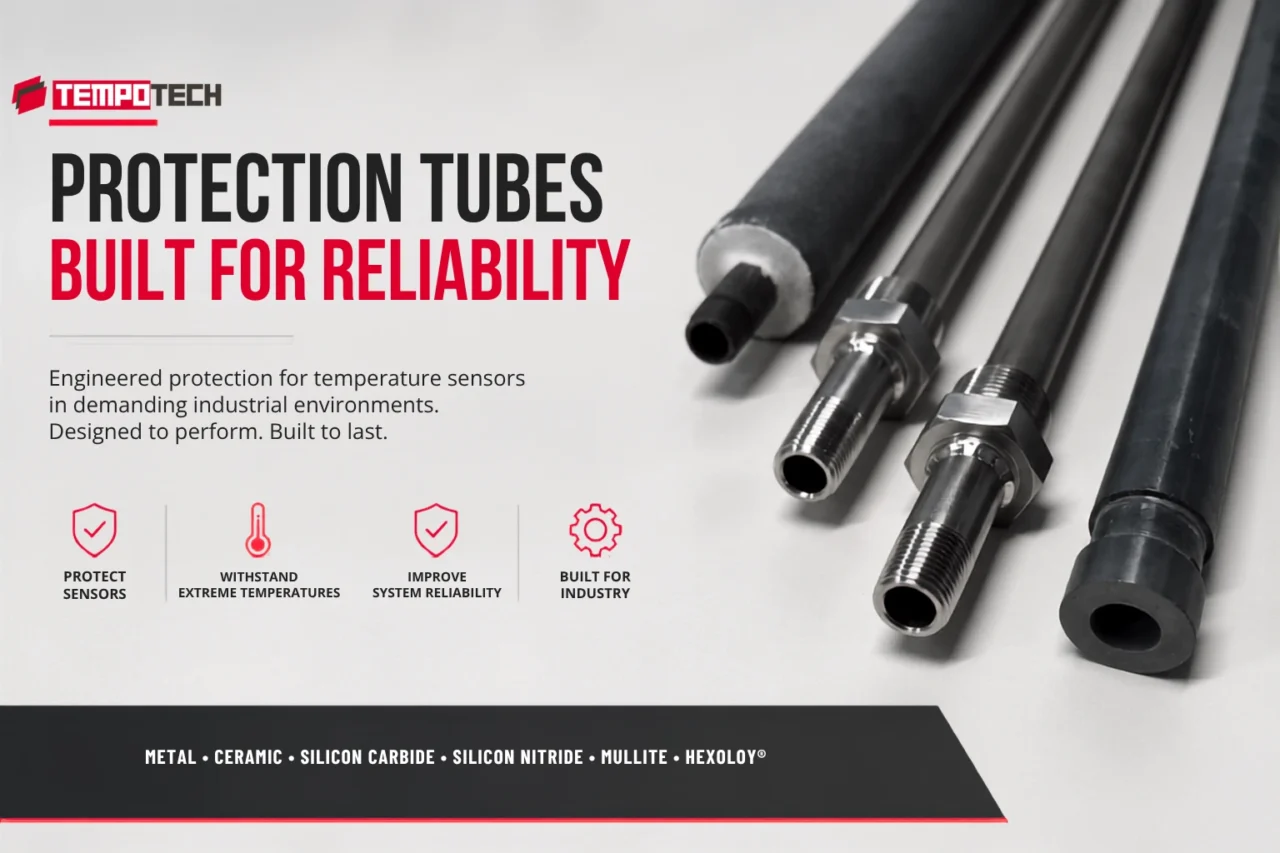
A thermocouple protection tube is a rigid sheath, typically made from ceramic or metal alloys, that protects the sensing element from contamination, chemical attack, and mechanical stress. Alumina ceramic tubes withstand temperatures from -58°F to 2600°F, making them suitable for furnaces, kilns, and foundries. TempoTech Controls engineers custom protection tubes tailored to specific process and industry needs.
What Is a Thermocouple Protection Tube?
A thermocouple protection tube encloses a temperature sensor in harsh industrial environments. Exposure to molten metal, corrosive gases, and extreme heat can quickly damage unprotected sensor wiring, causing downtime and inaccurate readings. Plant engineers use these tubes to maintain thermocouple integrity through repeated furnace cycles, reducing the need for frequent sensor replacement.
In furnaces, kilns, and ovens, contamination consistently threatens sensor accuracy. A properly fitted ceramic thermocouple protection tube shields the sensor from slag, ash, and airborne particulates that could accumulate on the probe and distort readings. Without this barrier, maintenance teams face frequent sensor replacements and unreliable process data.
Where Are Protection Tubes Used in Industrial Settings?
Protection tubes are used in operations requiring precise temperature readings at high temperatures. Pottery kilns, metalworking furnaces, and manufacturing lines rely on these tubes to maintain sensor performance through repeated firing cycles. Ceramic ovens and industrial furnaces use similar configurations to extend sensor life and ensure accuracy.
Reliable temperature sensor protection distinguishes efficient melt shops from those with frequent instrumentation failures. Tubes that resist thermal shock and chemical attack help maintain sensor calibration and ensure accurate process data across multiple shifts.
TempoTech Controls designs application-specific sensor assemblies based on this principle. The engineering team develops contact thermocouples, RTDs, matched to each facility’s thermal and chemical exposure profile. A properly specified high-temperature thermocouple sheath, combined with the right sensor configuration, reduces unplanned replacements and maintains accurate process control data during demanding production runs.
How Do Protection Tubes Prevent Sensor Failure?
A thermocouple protection tube shields the sensing element from chemical and physical stresses that cause premature drift or breakage. In molten metal environments, thermocouples rely on these tubes for long-term accurate readings. Direct exposure to slag, alloy vapor, and thermal shock can degrade bare sensing wire within hours.
Furnace operators melting engine blocks or structural EV components require reliable temperature data through repeated heating and cooling cycles. Protection tubes ensure this reliability by isolating the thermocouple from the furnace atmosphere while allowing rapid and accurate heat transfer. Without this barrier, alloying and degassing processes lose the precise timing needed for optimal casting quality.
Kiln and pottery furnace operators face challenges such as oxidation and falling debris. A ceramic thermocouple protection tube protects Type K thermocouples from oxidation and shields kiln interiors from dust and metal particles released during firing. This dual protection extends sensor life and reduces unplanned downtime for recalibration or replacement.
What Materials Hold Up Best Inside a Furnace?
Material selection determines the lifespan of a protection tube. A mullite thermocouple tube resists thermal shock and chemical attack in high-temperature kiln and furnace settings, making it a common choice where frequent cycling occurs.
Why Does Custom Engineering Matter for Sensor Protection?
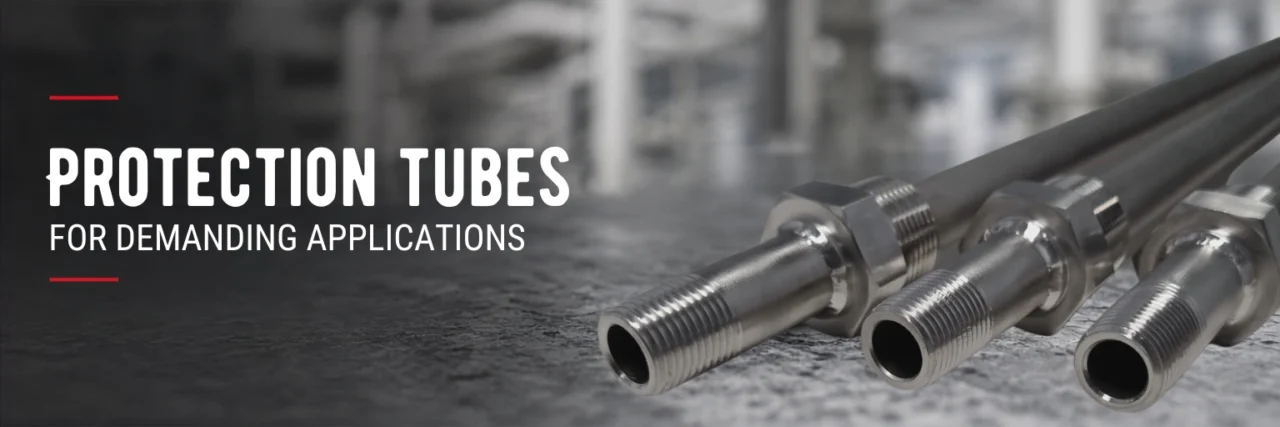
Standard tubes rarely fit every furnace geometry or process chemistry. TempoTech’s engineering expertise and custom sensor manufacturing make it a preferred resource for industrial temperature sensor protection in demanding metal casting, steel, and chemical processing applications. Plant teams rely on this capability, along with a properly specified high-temperature thermocouple sheath, to keep sensors accurate and operations running without unplanned interruptions.
Which Protection Tube Material Fits Your Process?
Material selection determines whether a thermocouple protection tube endures a full furnace cycle or fails prematurely. Plant engineers should evaluate temperature range, chemical exposure, and mechanical stress to select a tube matched to these conditions, rather than relying on generic components.
What temperature range can a ceramic protection tube handle?
A ceramic thermocouple protectionA ceramic thermocouple protection tube made from 95% alumina porcelain withstands demanding thermal environments in metal casting and steel operations. These tubes operate from -58°F to 2600°F (-50°C to 1370°C), covering low-temperature startups to sustained high-heat exposure in kilns and furnaces. This range makes alumina ceramic a strong choice where process temperatures exceed the limits of metallic sheaths.m an alumina ceramic tube?
Is a mullite tube different from an alumina ceramic tube?
The primary difference is composition. Mullite thermocouple tubes feature a unique ceramic chemistry tailored for specific thermal and chemical exposure profiles, offering procurement teams an engineered alternative to standard alumina porcelain.
Choosing between materials rarelChoosing between materials involves more than just temperature. Furnace atmosphere, ash or slag contact, and thermal shock cycles all influence the decision:gh-temperature stability up to 2600°F, common in kilns and furnaces
- Alumina porcelain ceramic — high-temperature stability up to 2600°F, common in kilns and furnaces
- Mullite ceramic — engineered chemistry for specialized process conditions
- Custom-engineered configurations — matched to unique application demands
How Do You Choose the Right Supplier?
Supplier selection should focus on three primary factors: engineering experience, verified quality certifications, and accessible technical support. Plant engineers evaluating thermocouple protection tube suppliers should prioritize a proven track record over price alone. The cost of downtime from a failed sheath in a foundry or steel production line far exceeds any initial savings on unit price.
TempoTech Controls has over three decades of experience engineering temperature measurement solutions for process instrumentation in metal casting, steel production, and chemical manufacturing. This experience is critical when specifying ceramic or mullite thermocouple protection tubes for continuous molten-metal exposure, where material failure is unacceptable.
Where Can Procurement Teams Reach a Manufacturer Directly?
Direct access to engineering and manufacturing teams speeds up custom quoting and troubleshooting. TempoTech maintains manufacturing facilities across North America. Asia , giving procurement teams regional points of contact for [industrial temperature sensor protection](https://tempotechcontrols.com/about-us/contact) projects.
Consider these supplier evaluation criteria before finalizing a purchase order:
- Manufacturing footprint — regional facilities shorten lead times and simplify communication.
- Quality certifications — confirm standards align with plant-specific requirements.
- Stock availability — an e-store with in-stock sensors and controllers supports fast delivery when equipment fails unexpectedly.
- Application expertise — understanding the application , and making decision prevents costly misapplication.
Thermocouple protection tubes represent a critical investment in measurement reliability and equipment longevity across demanding industrial environments. By shielding thermocouples from corrosive atmospheres, mechanical damage, and thermal shock, these engineered solutions ensure accurate temperature monitoring that sustains production efficiency. Organizations committed to precision process control recognize protection tubes as essential components that extend sensor lifespan while maintaining the data integrity their operations depend upon.