

What is a Resistance Temperature Detector? Understanding RTD Sensors and Their Industrial Applications
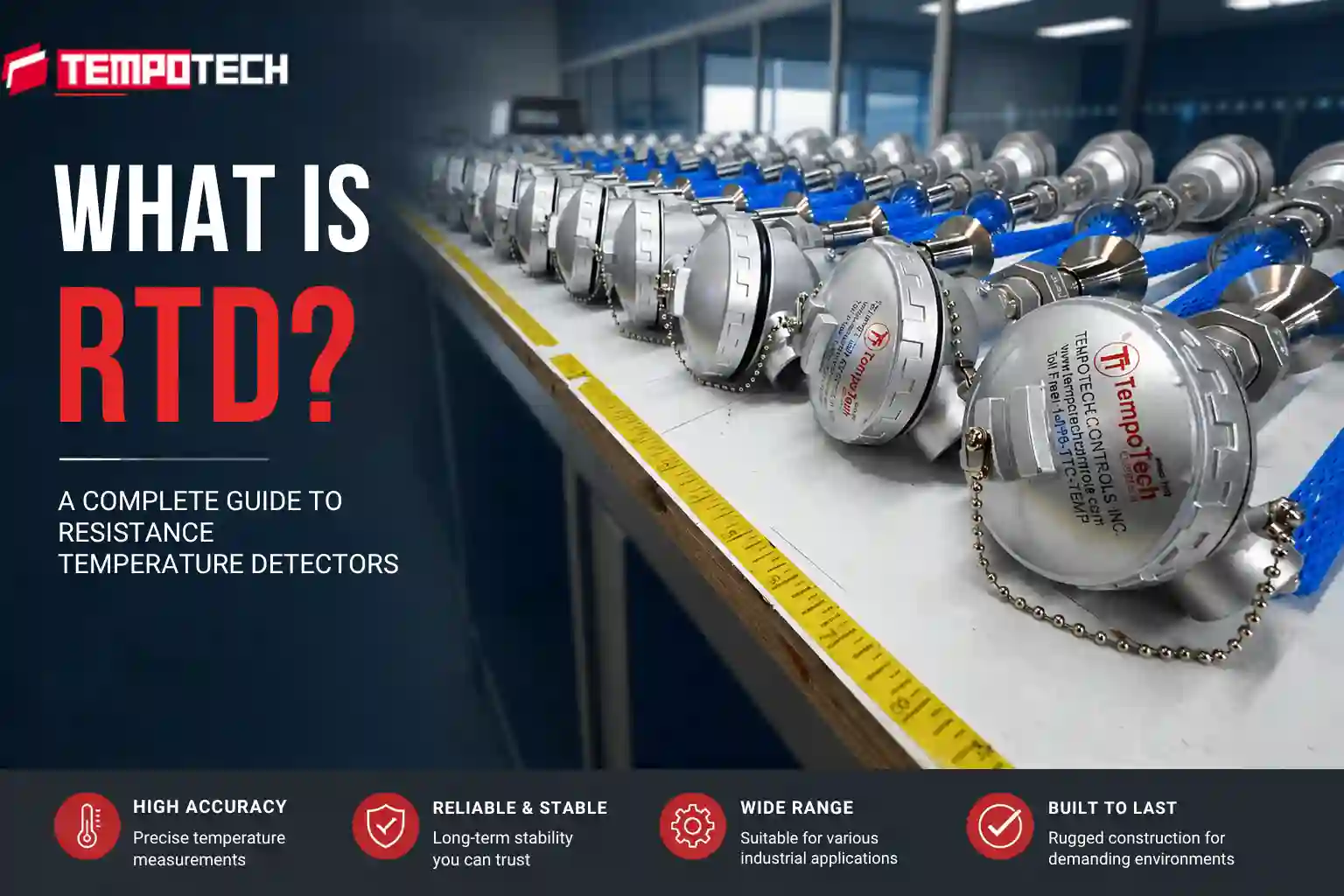
Resistance Temperature Detectors (RTDs)
How Does an RTD Work to Measure Temperature Accurately?
Principles of Operation
Types of RTDs
- Wire-wound RTDs: These utilize thin wire wrapped around a ceramic or glass core.
- Thin-film RTDs: These are made by depositing a thin film of platinum onto a ceramic substrate.
Factors Affecting Measurement Precision
- Measurement Drift: Regular recalibration is necessary to keep accuracy.
- Environmental Conditions: Variations in ambient conditions can introduce errors.
- Installation Issues: Improper installation can affect response times and accuracy.
What Are the Different RTD Sensor Types and Their Industrial Uses?
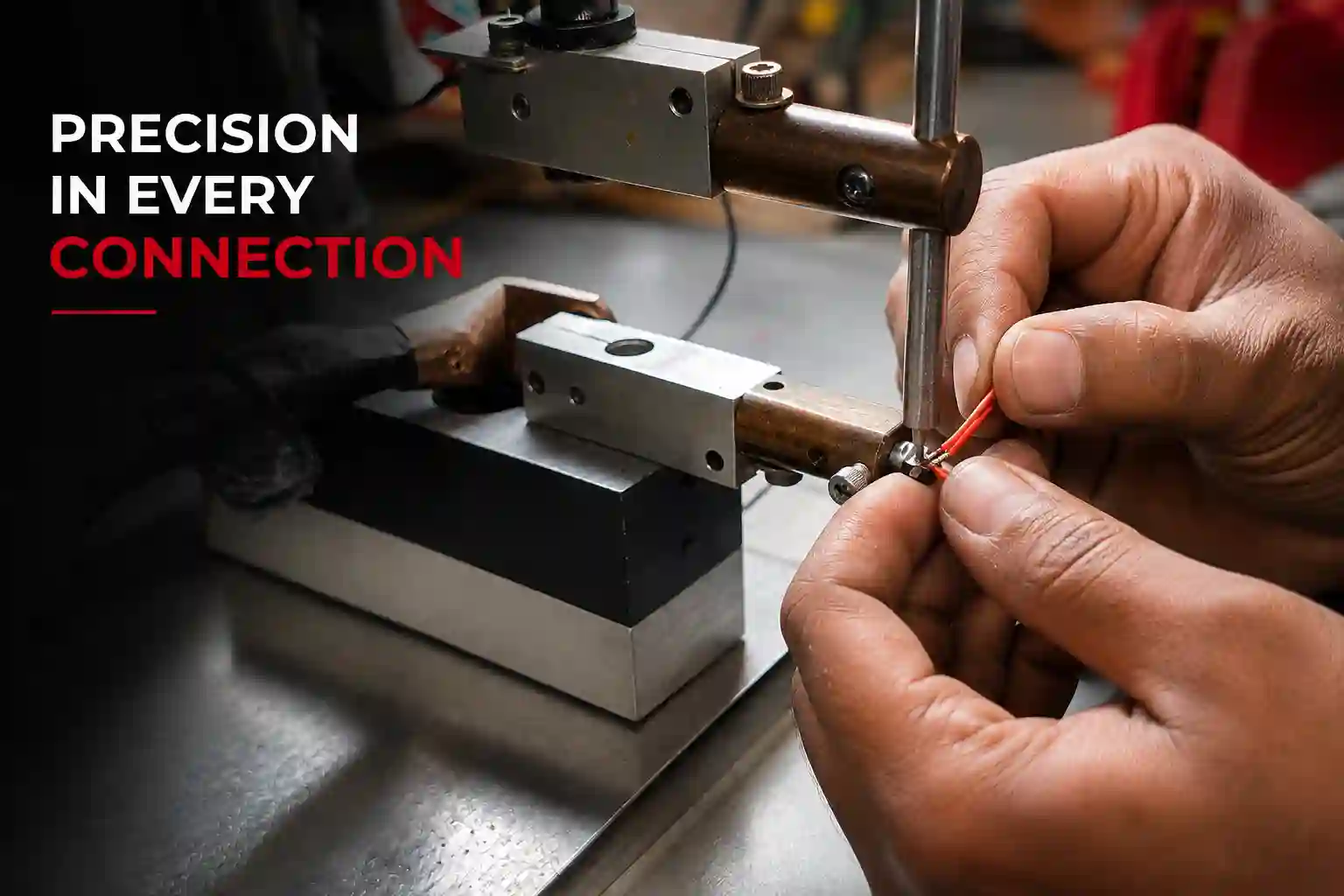
RTDs are categorized into several types based on their construction and application:
- Industrial RTDs: Commonly used in manufacturing processes due to their robust design.
- Miniature RTDs: Ideal for compact installations where space is limited.
- Customized RTDs: Tailored for specific industry needs, enhancing versatility.
Each type comes with unique specifications making them suited to different applications, from HVAC systems to food processing.
How Do Various RTD Sensor Types Compare in Accuracy and Robustness?
When comparing the accuracy and robustness of different RTD types, several characteristics come into play. Wire-wound RTDs typically offer higher accuracy but are less durable in harsh environments. In contrast, thin-film RTDs provide quicker response times but may have slightly lower precision. Understanding these differences helps industries choose the right RTD for their particular applications, ensuring optimal performance and measurement reliability.
Which Industries Benefit Most from Specific RTD Sensor Types?
Various industries utilize RTD sensors extensively due to their reliability and precision. Key sectors include:
- Food Processing: For monitoring temperatures to ensure safety standards are met.
- Chemical Manufacturing: Where precise temperature control is crucial for reaction rates.
- Pharmaceuticals: Monitoring temperature in sensitive storage conditions to safeguard product integrity.
Each industry has specific requirements that different RTD types fulfill, showcasing their versatility.
What Are the Advantages of Platinum RTDs Compared to Other Sensors?
Platinum RTDs offer several advantages over alternative temperature sensors such as thermocouples:
- Higher Accuracy: They provide more precise measurements over a larger range.
- Better Stability: RTDs have enhanced long-term stability, reducing the need for frequent recalibration.
- Less Drift: Their resistance change is consistent, resulting in minimal drift during operation.
These benefits make platinum RTDs a preferred choice in applications requiring high accuracy.
How Does Temperature Sensor Accuracy Impact Industrial Process Control?
The accuracy of temperature sensors like RTDs directly influences industrial process control. High-precision temperature monitoring prevents deviations that could result in significantly flawed products or system failures. Accurate readings contribute to optimal efficiency, safety, and cost-effectiveness in production processes, reinforcing the importance of choosing the right temperature sensor.
What Distinguishes RTDs from Thermocouples in Measurement Performance?
While both RTDs and thermocouples serve critical roles in temperature measurement, they differ significantly in performance. RTDs are generally more stable and accurate, making them suitable for precision applications, whereas thermocouples are more robust and can measure extreme temperatures. Understanding these distinctions assists engineers in selecting the most appropriate sensor for specific applications.
How Are RTDs Calibrated and Maintained for Optimal Performance?
Calibration of RTDs is essential for ensuring continued accuracy. Regular temperature calibrations using standardized baths or calibration jigs can help verify sensor performance. Additionally, following best practices for maintenance—such as cleaning and ensuring proper installations—extends the life of the sensors and maintains their accuracy.
What Are Best Practices for Industrial Temperature Sensor Calibration?
Implementing effective calibration practices is critical for maintaining RTD accuracy:
- Regular Calibration: Schedule periodic calibrations based on industry standards.
- Use Reference Standards: Implement calibrated standards to compare performance.
- Environmental Control: Maintain optimal conditions for calibration to minimize variables.
These best practices ensure that temperature measurements remain reliable and within acceptable ranges.
Different temperature measurement solutions provide distinct features and capabilities that enhance performance in various applications.
In summary, this table illustrates the various types of RTDs versus their specifications, aiding in selecting the optimal sensor for specific industrial applications.
Key Takeaways
- Reliable accuracy for critical processes makes RTDs a strong choice where consistent temperature measurement directly affects product quality, process control, and equipment performance.
- Long-term measurement stability helps industrial users maintain dependable temperature monitoring while reducing problems associated with sensor drift and inconsistent readings.
- Flexible designs for industrial applications allow RTDs to be configured for process equipment, machinery, tanks, piping, HVAC systems, food processing, pharmaceutical production, and other demanding installations.
- The right RTD improves overall measurement performance by matching the sensing element, construction, accuracy, response time, installation method, and connection requirements to the application.