

HomeCategory

News

Copper Tip Bearing RTD vs. Isolated Tip Bearing RTD: Which Is Best for Motor Monitoring?

Copper Tip Bearing RTD vs. Isolated Tip Bearing RTD: Which Is Best for Motor Monitoring? In modern motor monitoring, bearing temperature sensing is a critical input for predictive maintenance programs. Two prominent RTD configurations—copper tip bearing RTDs and isolated tip bearing RTDs—offer different advantages and trade-offs. This article dives into how each sensor type integrates...

Extending Sensor Life in Corrosive Environments: Choosing the Right Protecting Tube Material Published • 7 min read • Updated for practical deployment Why Protecting Tube Material Matters for Sensors Protecting tubes shield sensors from corrosive fluids, moisture, and deposits. These threats harm signal quality and shorten sensor life. The tube material affects how often you...

Unlocking Reliability: The BTC-BAY Copper Tip Bayonet Thermocouple for Critical Equipment Published: October 26, 2023 • Estimated Read Time: 12 minutes In the intricate world of industrial operations and power generation, the silent threat of overheating looms large. Unchecked temperature fluctuations in critical machinery can lead to catastrophic failures, costly downtime, and significant safety risks....

Why MgO Thermocouples Are Better Performers Than Ceramic Bead Thermocouples

MgO-packed thermocouples, also called mineral-insulated metal-sheathed (MIMS) thermocouples, are a reliable and durable choice compared to ceramic beaded thermocouples. MgO thermocouples are constructed by placing thermoelements inside a metal sheath insulated with high-purity MgO (magnesium oxide powder). The cable is then redrawn to the required size and heat-treated to normalize the metal conductors and sheath....

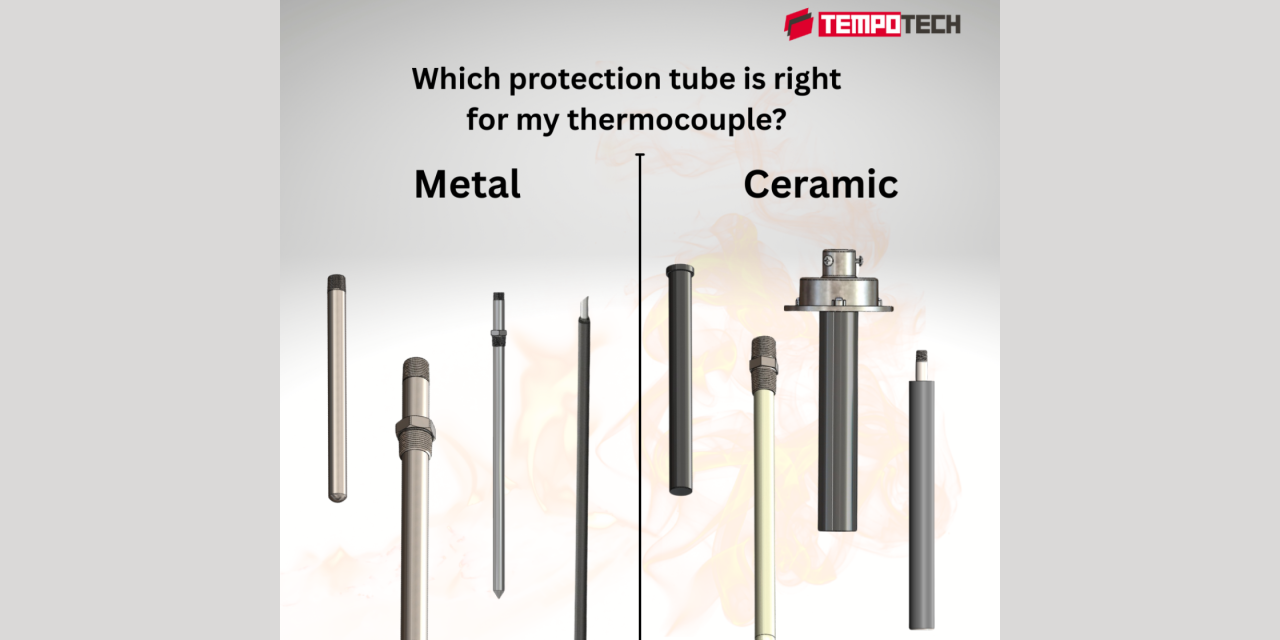
The Ultimate Guide To Ceramic Protection Tube Selection In North American Furnaces

To ensure longer thermocouple life and measurement accuracy, additional protection tubes are recommended along the length of the thermocouple exposed to high temperatures. Protection tubes also simplify thermocouple replacement. A common question is: Which Protection Tube Is Right For My Thermocouple? While all protection tubes provide some level of protection, performance varies depending on process...

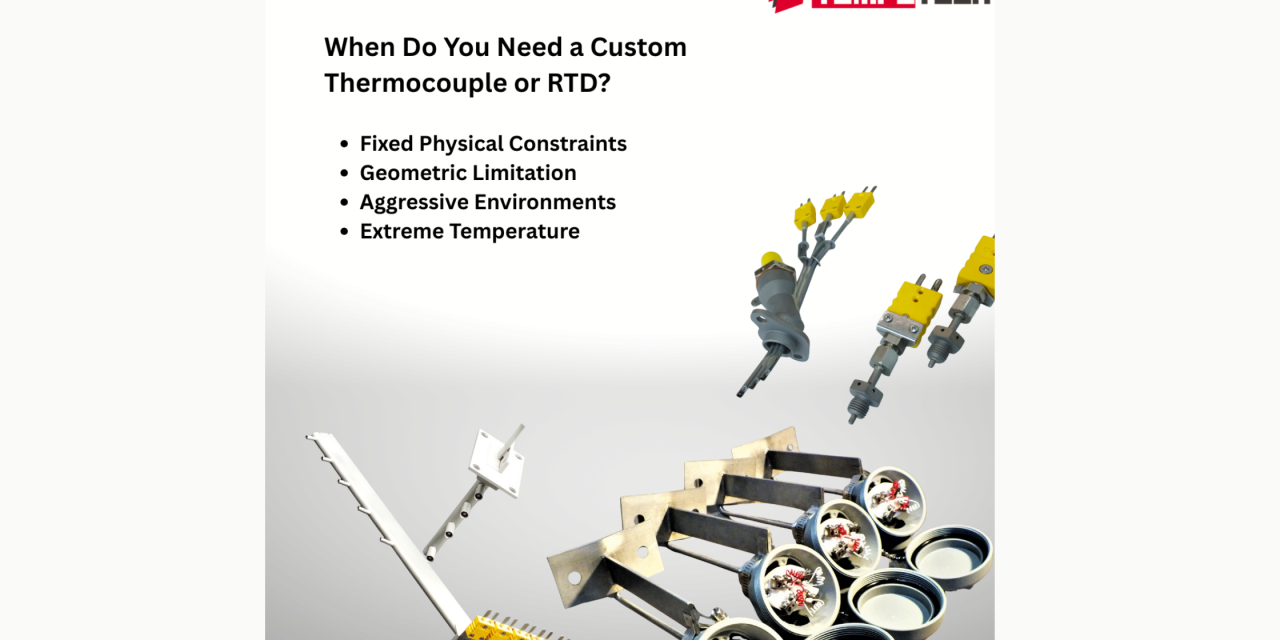
When Standard Fails: Custom Thermocouple and RTD Design

At TempoTech, our strength isn’t just building temperature sensors that work; it’s about designing and manufacturing solutions that exceed the rigorous demands of your specific application. Since 1989, TempoTech has been a leader in designing custom thermocouples and RTDs for unique processes across the USA and Canada. What sets us apart is our deep dive...

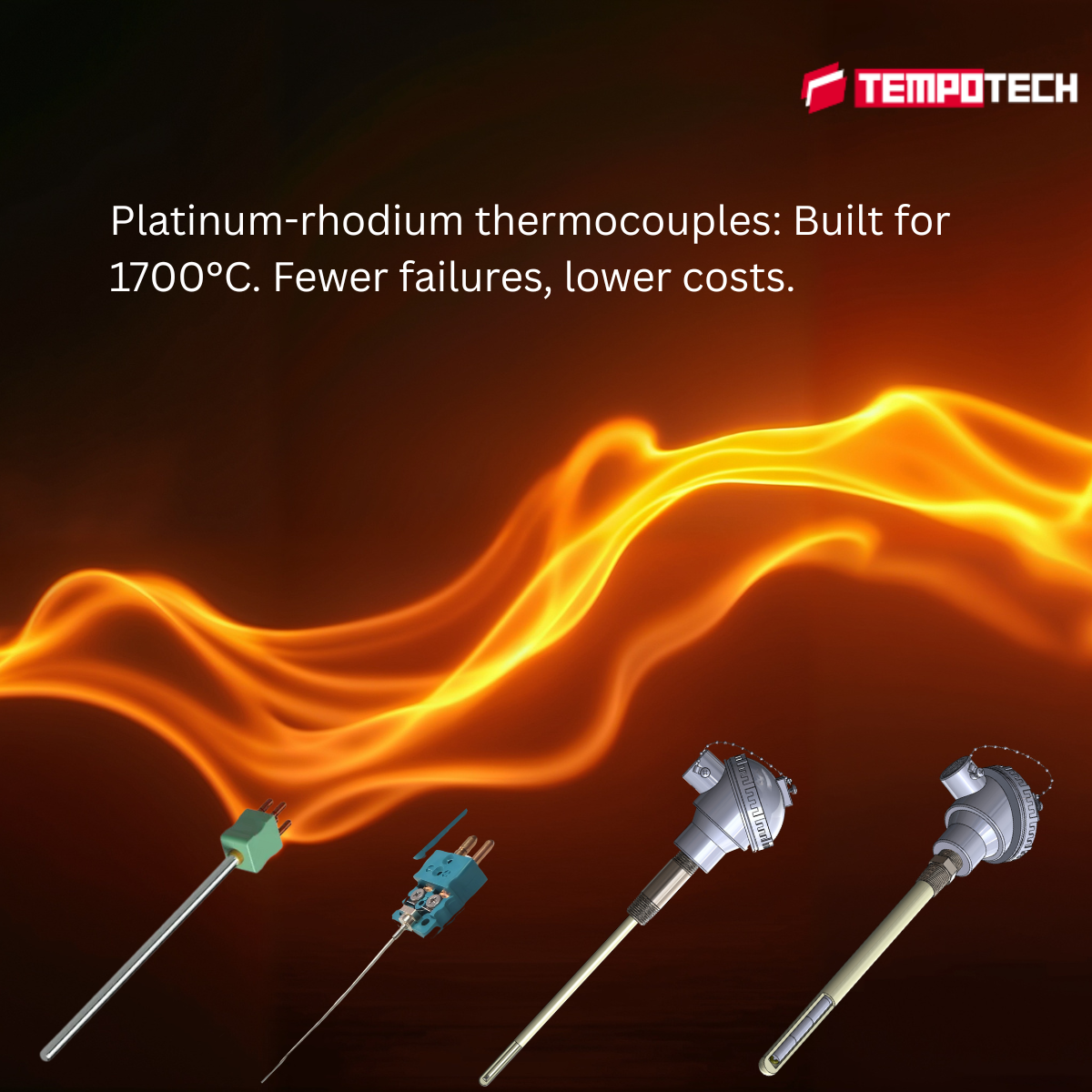
Platinum rhodium thermocouple 1700C | Tempotech Controls

There are various types of thermocouples used in industry to measure temperatures between –200°C to 2300°C. It is important to select the right thermocouple for accurate and efficient temperature measurement. Our Platinum rhodium thermocouple 1700C, available in Type S, R, and B, can withstand continuous temperature monitoring up to 1700°C. Platinum–Rhodium alloy–sheathed thermocouples offer superior...

How Multipoint RTD Sensors Function in LNG Storage

Temperature Profiling: Enhancing Safety and Efficiency in LNG Storage Liquefied Natural Gas (LNG) storage presents unique engineering challenges. Operators are tasked with handling a highly compressed, hazardous medium where safety, precision, and reliability are non-negotiable. if there is any deviation in temperature, it can introduce risks ranging from vapor release to severe damage, making advanced...

Maximize WtE Efficiency with Precise Temp Monitoring

Temperature Monitoring In Waste-to-Energy (WtE) incineration plants, temperature control is very important. It affects combustion efficiency, emissions, and equipment life. Therefore, precise temperature monitoring is essential. Technical Impact of Temperature Monitoring: Complete Combustion: Thermocouples (Type K, S, or R) monitor high temperatures (850–1100 °C) continuously. This ensures the waste fully oxidizes. As a result, harmful gases...