

Noble Metal Thermocouples for Extreme Environment Applications: Precision Temperature Measurement and Industrial Reliability
By Tempotech Controls
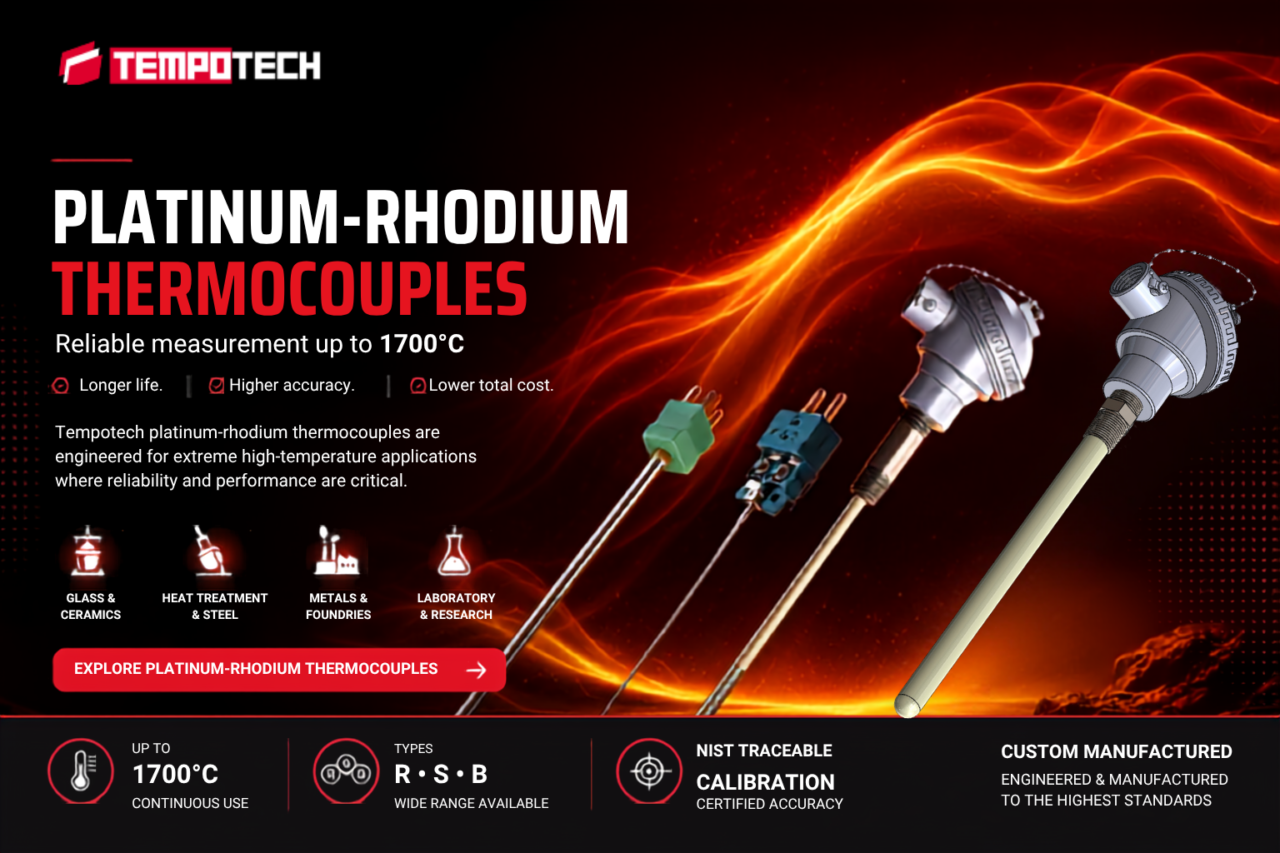
Noble metal thermocouples, primarily crafted from platinum and rhodium alloys, represent the pinnacle of temperature measurement technology in extreme environments. These temperature sensors are renowned for their precision and reliability, making them indispensable in various industrial applications such as aerospace, oil and gas, and power generation, where standard thermocouples may falter. As industries push the limits of performance in harsh conditions, understanding the unique advantages of noble metal thermocouples becomes essential for maintaining operational efficiency and safety. This article will delve into the precision temperature measurement capabilities, industrial reliability, and diverse applications of noble metal thermocouples in extreme environments.
Precision Temperature Measurement Capabilities
Noble metal thermocouples excel in providing high accuracy measurements across a wide temperature range, essential for applications that require precise thermal regulation. Their advanced design ensures that they remain stable even under extreme conditions, which is critical in manufacturing processes where temperature variations can lead to product quality issues and safety risks. Industries relying on these sensors benefit from their ability to deliver consistent, accurate temperature readings, which are vital for troubleshooting, process control, and ensuring compliance with safety standards. Furthermore, TempoTech Controls specializes in precision industrial temperature measurement technologies, prominently featuring noble metal thermocouples designed specifically for high temperature applications in industrial process manufacturing.
Industrial Reliability
Noble metal thermocouples are constructed to endure harsh conditions while maintaining long-term reliability. Their use of durable construction materials enables them to resist oxidation and degradation in extreme environments, providing consistent performance over time. They are designed to withstand thermal cycling, mechanical stress, and exposure to corrosive substances, making them ideal for applications in industries such as aerospace, automotive, and chemical processing. This reliability is enhanced by the expert calibration services offered by companies like TempoTech Controls, which ensures these sensors perform optimally even under the most demanding conditions.
This table illustrates the durability and performance of different thermocouple models, highlighting the superior attributes of noble metal variants in extreme environments.
Applications in Extreme Environments
Noble metal thermocouples are utilized across various sectors, where their unique properties allow for effective temperature monitoring in challenging conditions. Below are key industries where they play a pivotal role:
Metals Processing
In metals processing, maintaining temperature accuracy is critical to ensure safety and efficiency. Noble metal thermocouples are employed to monitor temperatures during smelting and forging processes, significantly impacting both efficiency in production and safety in operations. Their precision prevents overheating, which could jeopardize equipment and personnel.
Mining
In mining operations, temperature management is vital for equipment longevity and operational safety. Noble metal thermocouples help monitor temperatures in heavy machinery and processing equipment, ensuring they operate efficiently and safely in often harsh and fluctuating environmental conditions.
What Are Platinum and Rhodium Thermocouples and How Do They Withstand High Heat?
Platinum and rhodium thermocouples are highly specialized sensors designed to provide accurate temperature measurements in high heat applications. These thermocouples utilize platinum for their sensing elements due to its stability and resistance to oxidation at elevated temperatures, while rhodium enhances the performance, particularly in high-temperature environments. The operational mechanism involves generating a voltage that corresponds to temperature changes, providing precise readings essential for critical industrial processes.
Which Properties Define Noble Metal Thermocouples for Extreme Temperatures?
The properties that define noble metal thermocouples include exceptional thermal stability, a broad temperature range, and high accuracy. Their robust materials ensure they can withstand extreme conditions, making them suitable for sectors such as aerospace and power generation. The alloys also exhibit great resistance to chemical reactions, contributing to their reliable performance over time in demanding environments.
How Do Platinum-Rhodium Alloys Enhance Sensor Lifespan in Harsh Industrial Settings?
Platinum-rhodium alloys are engineered to enhance the lifespan of sensors through superior thermal stability and resistance to various forms of degradation such as oxidation and corrosion. This ensures that noble metal thermocouples maintain their performance even in environments subject to rapid temperature shifts and harsh chemicals. This longevity translates to reduced maintenance costs and improved operational uptime for industries pushing the limits of high temperature usage.
Which Industrial Applications Benefit Most from Noble Metal Thermocouples?
Noble metal thermocouples are particularly beneficial in industries where temperature monitoring is critical to ensure safety, quality, and efficiency. Key sectors include:
- Aerospace: Where precise temperature control is crucial for engine performance.
- Chemical Processing: Ensuring reaction temperatures are maintained to avoid hazards and maintain product quality.
- Semiconductor Manufacturing: Where exact thermal profiles are essential for producing high-quality electronic components.
How Are Noble Metal Thermocouples Utilized in Power Generation and Petrochemical Industries?
In the power generation sector, noble metal thermocouples are used to accurately measure temperatures within turbines and generators, ensuring optimal performance and preventing overheating. In petrochemical industries, they monitor critical processes like distillation and cracking, where precise temperature readings are essential for product quality and safety compliance.
What Roles Do Platinum and Rhodium Sensors Play in Semiconductor and Aerospace Manufacturing?
In semiconductor manufacturing, these sensors are crucial in tightly controlled environments where temperature fluctuations can lead to significant yield losses. The aerospace industry relies on them for accurate readings in high-stress engine parts and other critical components, ensuring safety and performance.
How Are Noble Metal Thermocouples Calibrated for Accuracy in Extreme Conditions?
Calibration of noble metal thermocouples in extreme conditions is performed using sophisticated methods that account for environmental factors. Techniques such as comparison with standard reference thermometers and establishing calibration curves are essential for ensuring the accuracy of temperature readings, especially in applications dealing with highly variable conditions.
What Calibration Standards Ensure High-Temperature Measurement Precision?
Calibration standards, such as those set by organizations like ASTM and ISO, provide guidelines on how temperature sensors should be calibrated for accuracy in high-temperature scenarios. These standards ensure that thermocouples provide reliable readings, essential for maintaining safety and compliance in industrial settings.
How Does Calibration Impact Sensor Performance and Longevity Under Stress?
Proper calibration is crucial for ensuring that noble metal thermocouples perform efficiently under stress. Regularly calibrated sensors exhibit lesser drift in accuracy, leading to prolonged lifespan and consistent reliability, which is paramount for industries where failure could result in severe economic and safety risks.
What Are Best Practices for Installing and Maintaining Industrial Noble Metal Temperature Sensors?
The installation and maintenance of noble metal temperature sensors are fundamental to their effectiveness. Here are key considerations:
- Installation Techniques: Ensure sensors are correctly positioned to accurately capture temperature data.
- Regular Maintenance: Schedule inspections to identify any potential issues before they result in sensor failure.
- Common Pitfalls: Avoid improper handling during installation which could lead to sensor damage.
How Should Platinum-Rhodium Thermocouples Be Installed to Optimize Performance?
To optimize performance, platinum-rhodium thermocouples should be installed in locations where they can accurately measure process temperatures without interference from other heat sources. Careful attention must be given to their placement to minimize exposure to electromagnetic interference, which could result in inaccurate readings.
Which Maintenance Procedures Maximize Sensor Durability in Extreme Environments?
Maximizing sensor durability involves implementing a routine maintenance schedule that includes visual inspections and functional tests. Regular cleaning and recalibration, along with proper storage when not in use, help ensure that noble metal thermocouples maintain their accuracy and reliability even in demanding environments.